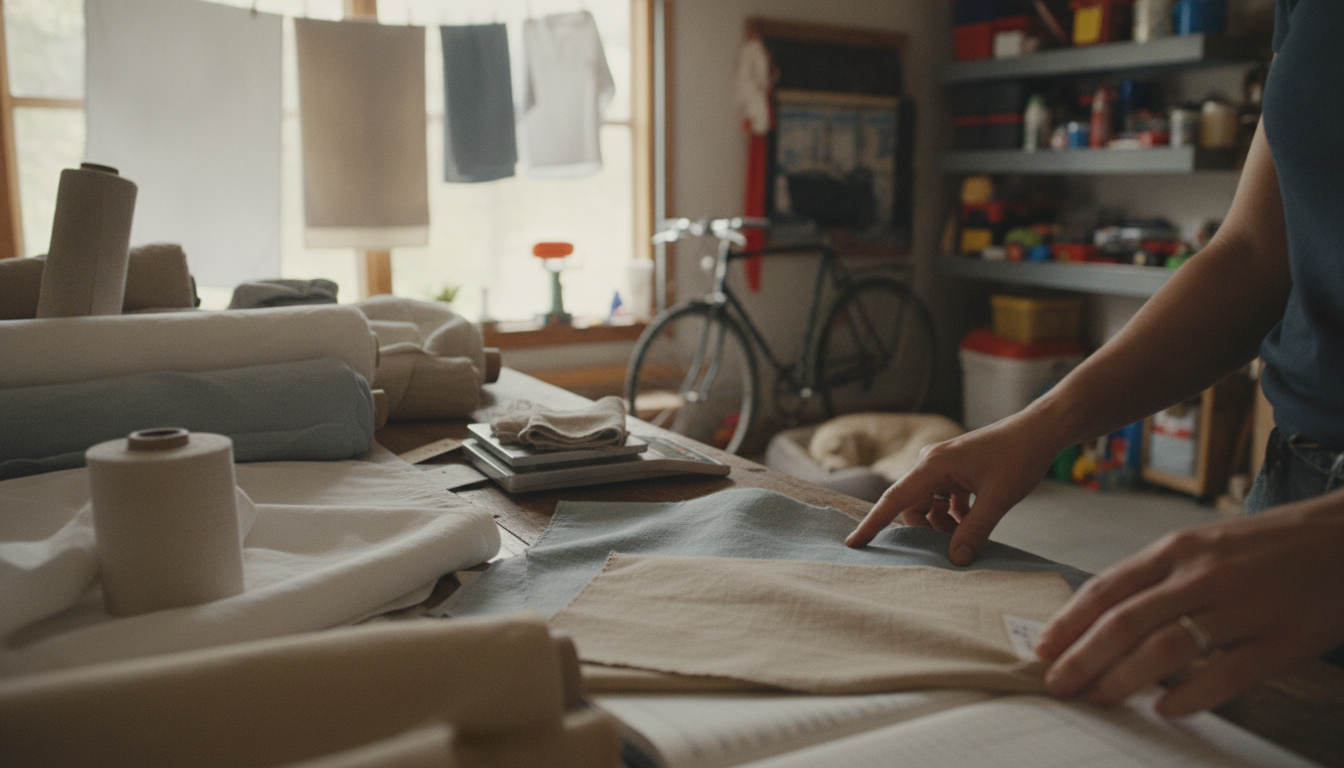
Cotton linen can be expensive, but it isn’t automatically a high-priced fabric. The cost usually lands in the mid-range and moves up or down based on how it’s made, how it’s finished, and where it’s sold. “Cotton linen” is often used to describe either a cotton-linen blend or a linen-look weave made with cotton, and those two options can price very differently.
The biggest factor is fiber content. A true cotton-linen blend typically costs more than standard cotton because linen fibers are generally pricier to produce and process. Blends that use a higher percentage of linen, longer fibers, or tighter weaves tend to feel smoother and wear better—and they also tend to cost more.
Construction and finishing also matter. Heavier weights, yarn-dyed color (instead of surface printing), pre-washing for softness, wrinkle-resistant treatments, and specialty finishes can all increase the price. Finally, sourcing plays a role: ethically produced textiles, small-batch runs, and made-in regions with higher labor costs often come with a premium.
For bedding, apparel, and home textiles, cotton-linen blends are often priced above basic cotton items but below high-end 100% linen. If a product is marketed as “linen” but priced extremely low, it may be mostly cotton (or a linen-look fabric) rather than a linen-rich blend. Checking the label for exact percentages is the simplest way to predict value and longevity.
A higher-priced cotton-linen item can be a smart buy when you want better breathability than cotton alone, a textured “lived-in” look, and improved durability without the full cost (or wrinkling) of pure linen. Look for clear fiber percentages, solid stitching, and thoughtful care guidance—those details often signal a product built to last.
For a deeper breakdown of what drives cost and how to spot a good deal, visit the main article on cotton linen pricing.
Cotton-linen usually refers to a blend that mixes cotton and linen fibers, while 100% linen is made entirely from flax. Blends often feel a bit softer and can be less expensive, while pure linen is typically more breathable and tends to cost more.













Leave a comment